
Introduction
Care looks different these days. It’s in small pings and quiet conversations that fit between meetings, traffic, or the last hour of the day. Therapy isn’t always a room with a couch anymore. It’s turning into something you keep close. In the US and Australia, many people now open their phones to pause, think, or steady themselves for a moment. This small, steady change shows how AI apps for mental health are reshaping daily habits around rest and reflection.
They don’t try to replace human care. What they really do is fill the quiet in-between moments. A student nervous before exams, a nurse heading home after a long shift, a parent just trying to catch a breath, each finds a small space to pause through these apps.
Where AI Fits Inside Emotional Care
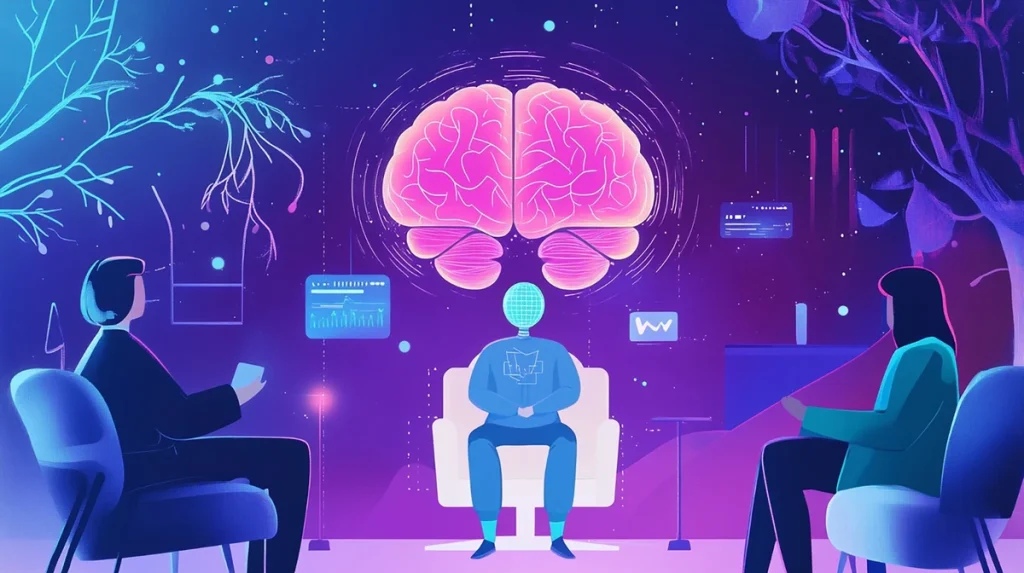
AI isn’t here to diagnose or counsel. Think of it like a quiet mirror that notices patterns we usually miss, changes in how we sleep, speak, or react. Sometimes it simply suggests slowing down when your routine starts to slip.
Unlike a weekly therapy check-in, AI pays attention every day. It picks up on what we rarely voice, the tiredness that lingers, the short temper, the gradual loss of drive. Spotting these early can often spark reflection or encourage someone to reach out before things get heavy.
The most trusted apps focus on ethical data practices, emotional sensitivity and inclusivity, ensuring that no user feels “analyzed,” but rather understood.
From Chatbots to Companions — The Evolution of AI Therapy
Just a few years ago, mental health chatbots were scripted and impersonal. They’d respond with pre-set lines that didn’t always fit the moment.
Now, that’s changed. With machine learning and emotional modeling, modern mental health chatbot systems can hold fluid, empathetic conversations. They adapt to your tone, recall emotional history, and learn how you prefer to be supported.
Think of it as moving from “chatbots” to “companions.” They’re designed not to diagnose, but to offer grounding a gentle voice during sleepless nights or stressful commutes.
This evolution reflects a larger truth: apps for mental health are becoming more human-centered. It’s not about coding empathy. It’s about translating it.
Real-Time Mood Tracking & Voice Conversations with AI
A key shift in the wellness tech space is personalization. A good mood tracker app today doesn’t stop at logging feelings; it responds to them.
You can talk, type, or share your thoughts freely, no pressure. It responds with light reminders, a small question, or a pause to help you breathe. With use, it starts to notice what brings you ease and when your focus begins to fade. Many users describe it as a quiet breather in a noisy day. Not dramatic, just enough to feel a little better.
For organizations or institutions, these insights can even help design better wellness programs, data-backed, anonymized, and focused on prevention rather than crisis response.
TinyBit AI’s Approach: Empathy + Accessibility + AI Precision
What sets TinyBit AI apart is how it blends emotional science with technology. TinyBit AI’s Talk with Me feature lets users speak naturally in voice conversations that feel personal and kind. It’s not formal therapy, but it often feels just as comforting.
TinyBit AI builds on three foundations:
- Empathy: Built with warmth and understanding instead of robotic replies.
- Access: Ready whenever someone needs to talk, day or night, no appointments.
- Intelligence: Tracks emotions in real time and suggests simple ways to reset, relax, or reflect.
Blending human understanding with steady AI support helps people feel cared for between therapy visits or gives them a gentle way to start looking after themselves, step by step.
Can AI Ever Do What a Human Therapist Does?
Short answer no. Long answer, it’s complicated.
AI can analyze and assist, but it doesn’t feel. AI can hear sadness in your tone, but it doesn’t share silence the way another person can. That still belongs to human connection.
For those who can’t afford therapy or feel shy about opening up, AI tools often become a first bridge to help. They’re easy to reach, private and consistent, small qualities that make healing feel possible.
Many therapists now use AI data as a helpful layer in their work. Apps like TinyBit AI give them a clearer look at how clients feel between visits, allowing sessions to focus on real patterns rather than just memory or guesswork.
The Road Ahead: Emotionally Intelligent AI
The next frontier of emotional technology is not about smarter algorithms, it’s about deeper empathy. The future emotional wellness app will likely sense tone, context, and even environment to adapt its responses naturally.
Picture a digital companion that notices when you sound drained and gently suggests taking a walk. That’s where technology is heading, toward tools that respond with thoughtfulness and help people keep a steadier rhythm in daily life.
These apps for mental health aren’t meant to replace real care. They simply open more doors, giving people simple, everyday ways to check in with themselves, no matter where they are.


